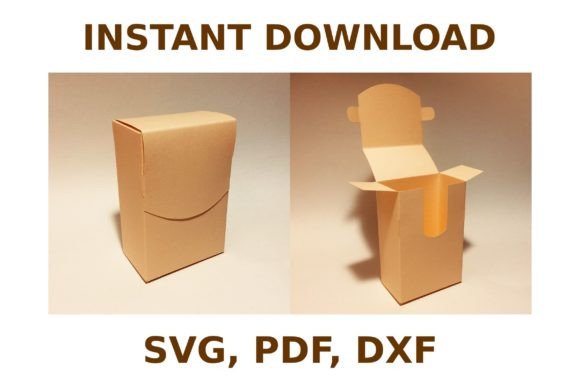
MTG Deck Box Template: 3D SVG Shapes Review
As a brand designer specializing in local business identity and physical product presentation, I approach every new graphic design asset with a critical eye. When evaluating the MTG Deck Box Template for a recent client project involving a boutique trading card game store and adjacent collectibles shop, my primary concern was not just the aesthetic appeal, but the structural integrity and commercial viability of the file. This review reflects my hands-on experience testing this specific 3D SVG and shapes collection to determine if it truly holds up for professional small business branding, custom packaging, and promotional material use.
First Impressions: Structural Precision Meets Niche Appeal
Upon extracting the files, the immediate impression is one of functional precision. Unlike decorative clipart or flat illustration assets, this template communicates a sense of tangible utility. The mood it creates is inherently organized, protective, and hobbyist-focused. For a local business owner in the gaming, collectibles, or niche retail space, this asset suggests a brand personality that values quality protection and customer experience. It does not feel flimsy or purely ornamental; rather, it feels engineered.
The inclusion of multiple file formats is a significant advantage for professional branding workflows. The ZIP archive contains SVG, DXF, and PDF files, ensuring compatibility across various production methods. Whether you are using a Cricut or Silhouette for in-house prototyping or sending vector files to a professional print shop for die-cutting, the versatility is evident. As an experienced designer, I appreciate that measurements depend on paper size, which forces the user to be intentional about scaling and material selection. This intentionality translates directly to better shelf appeal and a more polished final product compared to generic, untested templates found on open creative marketplaces.
Real-World Application: Elevating Local Retail Packaging
In my test case for "Arcane Haven," a local game store expanding into private-label accessories, this template served as the cornerstone for a new line of branded storage solutions. We utilized the MTG Deck Box Template not merely as a container, but as a canvas for brand identity. The clean lines of the 3D SVG allowed us to apply logo design elements and typography without distortion, maintaining a clear visual hierarchy even on a curved surface.
For handmade sellers and boutique owners, this asset bridges the gap between DIY crafting and professional manufacturing. We used the template to create limited-edition promotional boxes for a weekend tournament. Because the templates have been tested for quality, we avoided the common pitfall of misaligned fold lines that plague lesser design assets. This reliability is crucial when your reputation as a local business depends on the perceived value of your merchandise. The box became a marketing visual in itself, photographed for social media graphics and featured in email newsletters, reinforcing the store’s commitment to quality.
Strengthening Brand Presentation and Customer Trust
Packaging design is often the first physical touchpoint a customer has with a brand. Using a structurally sound template like this supports business presentation by signaling professionalism. When a customer receives a product in a box that fits perfectly and features crisp, accurate folds, it builds immediate trust. This asset facilitates that level of detail. In our project, the consistent geometry helped establish a stronger emotional connection with collectors who understand that proper storage equals respect for their investment.
Beyond the physical box, the vector nature of the file allowed us to repurpose the shape for digital editorial design. We extracted the outline to create website banners and printable inserts that matched the physical packaging. This consistency across physical and digital channels is the hallmark of modern design and professional branding. For food businesses or candle brands adapting this concept for smaller gift sets, the same principles apply: uniformity in shape and structure creates a cohesive brand narrative that generic packaging simply cannot achieve.
Optimal Use Cases for Creative Entrepreneurs
Based on my evaluation, this asset performs best in specific commercial design contexts where structure and customization intersect:
- Custom Product Packaging: Ideal for selling branded deck boxes, jewelry holders, or small gift containers where the box itself is part of the value proposition.
- Promotional Campaign Visuals: Excellent for creating mockups for Kickstarter campaigns, pre-orders, or seasonal product launches where you need to visualize a product before mass production.
- Boutique Retail Displays: Useful for creating uniform countertop displays or sample holders that align with store aesthetics.
- Social Media Content: The 3D SVG format renders beautifully in digital mockup software, allowing marketers to create high-quality visuals without expensive photography setups.
- Thank-You Cards and Inserts: Scaled-down versions can serve as unique, shaped thank-you cards that fit inside the packaging, enhancing the unboxing experience.
Critical Considerations and Limitations
While versatile, this asset requires careful application. It is not suitable for formal corporate branding outside of retail or hobbyist sectors, nor should it be used for luxury minimalist brands where negative space is the primary design element. The structural lines of the deck box are dominant; they will compete with intricate patterns or dense text.
Designers must also be cautious regarding legal information areas. Do not place mandatory compliance text, ingredient lists, or safety warnings directly over fold lines or glue tabs. The complexity of a 3D shape means that readability can be compromised during assembly. Furthermore, while compatible with cutting machines, users must verify material thickness settings. A template designed for cardstock may fail structurally if scaled down for thin paper or scaled up for corrugated board without adjusting tab lengths. Always prioritize function over decoration in packaging design.
Practical Designer Notes for Commercial Implementation
Before integrating the MTG Deck Box Template into any client work or business branding project, adhere to these professional protocols:
- Verify Commercial Licensing: Always confirm the commercial license terms before using the asset for physical product sales. Ensure you are permitted to sell the finished physical item, not just the digital file.
- Prototype Extensively: Print and assemble at least three versions using your intended final material. Measurements depend on paper size and printer calibration; never assume the digital dimensions will translate perfectly without testing.
- Test Typography Pairings: Evaluate the template beside serif, sans-serif, and display fonts. The geometric nature of the box usually pairs best with bold sans-serifs or technical typefaces. Script fonts can sometimes look out of place unless used sparingly as accents.
- Check Vector Editability: Open the SVG in Illustrator or Inkscape to ensure all cut lines and score lines are on separate layers. This separation is vital for efficient production and prevents accidental cutting of fold lines.
- Evaluate Contrast and Color: Test your brand colors on the actual substrate. Ink absorption varies between matte and glossy stocks. Ensure your logo maintains sufficient contrast against the box color, especially on the side panels which may be shadowed in retail lighting.
- Review PNG Transparency for Digital Use: If using the asset for web design or Canva templates, export high-resolution PNGs with transparent backgrounds to maintain flexibility in layout composition.
Ultimately, the MTG Deck Box Template represents a valuable tool for the prepared designer. It offers a foundation of structural reliability that allows creative entrepreneurs to focus on surface design and brand storytelling rather than engineering geometry from scratch. When used with professional diligence and respect for its mechanical constraints, it transforms from a simple digital download into a tangible asset that drives sales, enhances shelf presence, and solidifies brand loyalty in the competitive local market.