Pop Up Cards for Kids: An Embroidery Adaptation Review
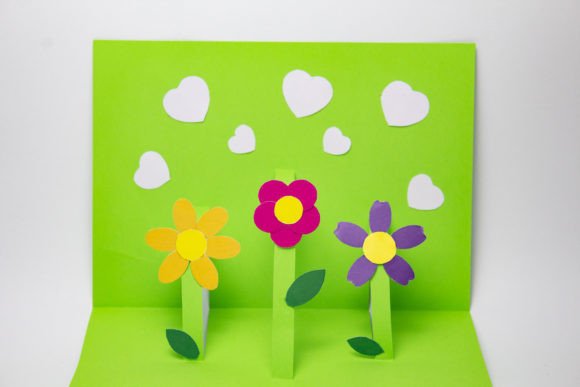
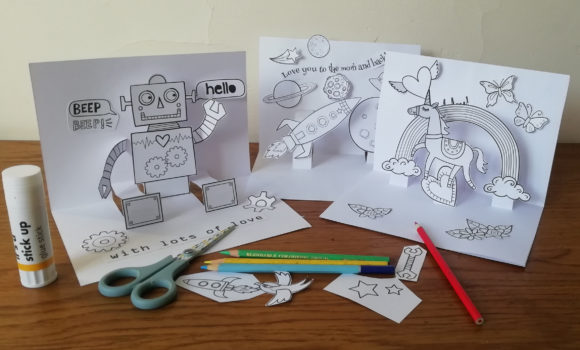
As a professional embroidery designer and product reviewer, I approach every new digital asset with a critical eye toward stitchability and commercial viability. When I first encountered Pop Up Cards for Kids by ArtbyEmilySkinner, my immediate reaction was one of creative intrigue mixed with technical caution. Originally designed as a printable papercraft activity to inspire creativity in children, this 3D SVG collection presents a unique challenge and opportunity for machine embroidery designers. Translating the structural logic of paper engineering into thread requires more than just converting files; it demands a deep understanding of how stitch density, fabric texture, and dimensional layering interact on a hoop.
Translating Paper Logic to Thread Architecture
The visual personality of these designs is undeniably playful, featuring bold shapes and interactive elements that define the Kids Crafts category. However, as an embroidery file source, we must look past the screen preview. In papercraft, structural integrity comes from score lines and tabs. In embroidery, that same integrity must come from precise registration and stabilizer management. The four different designs included in this set offer varying levels of complexity. For a maker or Etsy seller, the primary question is not just "does it look cute?" but "will it survive the wash cycle without distorting?"
When adapting these 3D SVG concepts for needlework, I evaluate them as potential applique designs rather than standard fill stitch patterns. The clean lines intended for cutting paper translate beautifully into satin stitch borders or running stitch placement lines. However, the internal details that work as print graphics may need to be simplified. A successful adaptation preserves the whimsical mood while ensuring the design does not become bulletproof or overly dense, which is a common pitfall when digitizing complex vector art for fabric.
Real-World Application: The Custom Tote Bag Test
To truly judge the utility of Pop Up Cards for Kids, I mentally prototyped a specific project: a personalized canvas tote bag intended as a back-to-school gift. Canvas provides a stable base, making it ideal for testing structural adaptations. In this scenario, I envisioned using the pop-up card aesthetic as a flat, textured motif rather than a literal moving part, which is often impractical for functional bags.
For this tote bag design, the bold outlines of the SVG would serve as excellent guides for a raw-edge applique technique. This reduces stitch count significantly compared to a full fill stitch version, keeping the bag lightweight and flexible. From a customer perspective, this adaptation offers high perceived value. It looks like a custom embroidered patch but feels integrated into the garment. For small shop owners, this application bridges the gap between a novelty item and a durable, everyday accessory. The key here is utilizing the design’s inherent geometry to create visual interest through fabric contrast rather than relying solely on thread color changes.
Navigating Fabric Limitations and Hoop Constraints
While the design shines on stable substrates like canvas or denim, I must advise caution when applying Pop Up Cards for Kids to more challenging materials. The geometric precision required to mimic a pop-up card effect leaves little room for error on stretchy fabrics. If you are planning sweatshirt embroidery or baby clothes, the risk of puckering increases dramatically. The sharp angles and straight lines characteristic of these designs will highlight any stabilization failures on knits.
- Stretchy Fabrics: Avoid using these designs on thin jersey or spandex blends unless heavily stabilized, as the rigid stitch structure fights against the fabric's natural give.
- Textured Surfaces: On terry cloth or fleece, the fine details mimicking paper folds may get lost. Consider increasing the width of satin stitch borders to maintain definition.
- Small Hoop Sizes: Resizing these designs down for caps or baby bibs requires careful editing. Reducing the size too much can cause overlapping stitches and needle breaks in detailed corner areas.
- Dark Fabrics: High contrast is essential. The interplay of light and shadow that makes a pop-up card visually interesting relies on color blocking. Ensure your thread colors provide enough separation to read clearly on dark backgrounds.
Commercial Viability for Makers and Sellers
For creative entrepreneurs and digital product sellers, the versatility of this asset lies in its adaptability. As a standalone embroidery project, it appeals to parents looking for interactive, tactile experiences for their children. However, its true commercial strength emerges when used as a branding element or a signature style for handmade products. The distinct "paper craft" aesthetic helps establish brand consistency across different mediums, from nursery decor to holiday embroidery gifts.
Etsy sellers should note that while the source is a 3D SVG, marketing the finished product requires clear communication. Customers need to understand they are purchasing an embroidered interpretation of a papercraft concept, not a literal moving card (unless you have engineered a functional textile hinge, which is advanced territory). Using printable mockups to showcase how the design translates from vector to stitch can bridge this expectation gap and increase buyer engagement. Furthermore, always verify the licensing terms provided by ArtbyEmilySkinner before listing finished items or modified digital embroidery files for sale to ensure compliance with commercial use policies.
Essential Designer Notes for Successful Stitch-Outs
Before committing Pop Up Cards for Kids to a final product, rigorous testing is non-negotiable. My professional recommendation involves a systematic pre-production checklist to ensure the transition from digital art to physical embroidery is seamless.
- Test on Scrap Fabric First: Never run a new adaptation directly on a sellable item. Use a scrap of the exact fabric and stabilizer combination you intend for the final piece to check for registration issues.
- Analyze Stitch Density: Import the design into your software to inspect density maps. Areas meant to represent folded paper should not be so dense that they distort the fabric or break needles.
- Verify Stabilizer Pairing: Because these designs rely on structural lines, cut-away stabilizer is generally superior to tear-away for maintaining shape over time, especially on apparel.
- Check Thread Color Contrast: Review the design in black and white mode within your software. If the design loses its form without color, the underlying stitch architecture needs adjustment.
- Confirm Licensing and Specs: Since specific stitch counts and file formats vary, always check the original product documentation. Ensure your machine compatibility aligns with the provided files and that your intended use matches the license scope.
Ultimately, Pop Up Cards for Kids represents a fascinating intersection of digital crafting disciplines. For the experienced embroiderer, it is not merely a design to be stitched, but a blueprint to be interpreted. By respecting the differences between paper and thread, and by applying thoughtful technical adjustments, makers can transform this playful papercraft concept into professional-grade embroidered goods that delight customers and stand up to real-world use. Whether creating a custom apparel line or a unique personalized gift, success lies in balancing artistic vision with mechanical reality.