Paper Aspen Tree Template: 3D SVG for Paper Flowers
As a digital publisher and blog designer, I constantly evaluate graphic design assets not just for their aesthetic appeal, but for their utility in a real content workflow. When I first loaded the Paper Aspen Tree Template into my cutting software and previewed it within a mock editorial layout, my immediate reaction was that this asset bridges the gap between delicate craft and structured web design. It does not feel like a generic clip-art addition; rather, it possesses an architectural quality that suits modern editorial design. The organic lines of the aspen branches provide a necessary softness to rigid grid layouts, while the precision of the 3D SVG format ensures it remains crisp across high-resolution displays. For publishers in the lifestyle, DIY, or seasonal niches, this template establishes a mood that is both nostalgic and professionally polished, signaling to readers that the content they are about to consume has been curated with intention.
Elevating Editorial Layouts and Blog Graphics
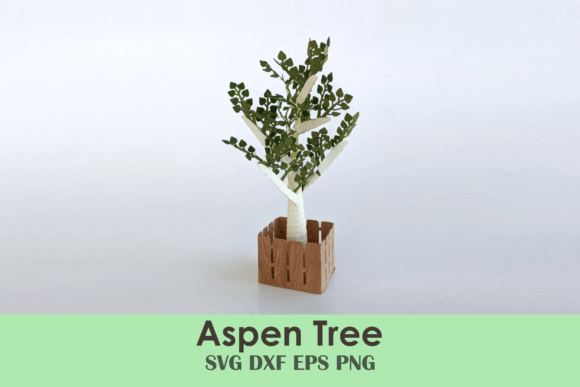
In my daily workflow creating blog graphics and featured images, the primary challenge is often finding visuals that support text without competing with it. The Paper Aspen Tree Template excels here because of its inherent negative space. Unlike dense floral arrangements that can make headline text unreadable, the verticality of the aspen branches allows for clean typography placement. I have tested this asset specifically for article headers and website header backgrounds, where it creates a sophisticated frame for content. When used as a Pinterest pin background, the tree’s silhouette guides the eye downward toward the title and call-to-action, significantly improving visual hierarchy.
For content creators focusing on content marketing, this asset serves as a versatile anchor for seasonal transitions. Because the design allows for modular assembly—using colorful leaves for autumn content, green foliage for summer guides, or bare branches for winter editorials—it reduces the need to purchase separate assets for each season. This consistency helps build a cohesive brand identity throughout the year. I found that when used in social media graphics or Instagram carousels, the paper texture adds a tactile dimension that stops the scroll, offering a sensory experience that flat digital illustrations often lack.
Strategic Applications for Digital Products and Lead Magnets
Beyond standard blog posts, I reviewed this template through the lens of monetization and product creation. For those selling a digital product or offering a lead magnet, perceived value is everything. The Paper Aspen Tree Template translates exceptionally well to eBook covers and digital guide interiors. Its intricate layering suggests high production value, which directly correlates to reader trust and conversion rates. In affiliate marketing contexts, particularly for craft supplies or home decor, using this printable design as a demonstration project provides authentic visual proof of concept that stock photography cannot replicate.
- Newsletter Headers: Use the bare branch variation to create a minimalist top banner that accommodates changing seasonal themes without redesigning the entire email template.
- Canva Template Integration: Import the SVG elements into Canva to create reusable social media templates for clients or personal branding, ensuring consistent creative design across platforms.
- Content Upgrades: Feature the finished paper tree in checklist PDFs or resource libraries to add visual interest to otherwise text-heavy downloadable resources.
- Category Thumbnails: Utilize specific color variations to visually distinguish between blog categories, aiding user navigation and site architecture.
Performance Considerations and Visual Placement
While the Paper Aspen Tree Template is a powerful asset, successful implementation requires strategic placement. Through testing, I have identified specific environments where this design asset performs best and areas where caution is warranted. It shines as a hero image element, an accent in sidebar widgets, or a decorative border for commercial design projects. However, publishers should be careful when using it as a small mobile thumbnail. The intricate details of the Paper Flowers style can become muddy at very low resolutions, potentially looking cluttered rather than elegant. Similarly, in highly corporate or严肃 professional niches, the whimsical nature of papercraft may clash with the desired tone unless styled with significant restraint and minimalist typography.
I also advise against placing this asset on busy, multi-colored backgrounds. The strength of this template lies in its shadow work and depth; these features are lost against chaotic patterns. Instead, opt for solid, muted tones or subtle gradients that allow the 3D effect to pop. For small business branding, consistency is key. If you choose this aesthetic for your digital download store or blog, ensure it aligns with your broader visual language. It pairs beautifully with serif fonts for a classic editorial look or handwritten scripts for a personal touch, but can conflict with overly geometric or industrial typefaces.
Publisher Workflow Checklist and Technical Notes
Before integrating the Paper Aspen Tree Template into any live project, I recommend running through a rigorous quality assurance process. As experienced publishers know, a beautiful file on a desktop monitor does not always translate to a functional web asset. Below is the checklist I use to ensure modern design standards are met:
- Cross-Device Testing: Always preview the graphic on both desktop and mobile screens. Ensure the tree does not obscure essential text or navigation elements on smaller viewports.
- Contrast Verification: Test headline overlays in grayscale to confirm readability. The intricate edges of the SVG can sometimes reduce text contrast if not managed with proper drop shadows or backing plates.
- Typography Pairing: Experiment with various font styles. I found that a bold sans-serif provided the best balance against the delicate organic lines, whereas thin serifs tended to get lost in the visual noise.
- File Optimization: While SVGs are generally lightweight, complex layered files can bloat. Run the final export through an optimizer to maintain fast page load speeds, which is critical for SEO and user retention.
- Licensing Compliance: Before using this asset on monetized sites, affiliate pages, or within paid creative marketplace listings, thoroughly review the commercial license. Ensure your usage tier covers the specific application, especially if you are modifying the file for resale or distribution.
- Thumbnail Clarity: Create a specific cropped version for blog indexes and social previews. Do not rely on automatic cropping, as it often centers on the wrong part of the asymmetrical tree design.
Ultimately, the Paper Aspen Tree Template is more than just a craft file; it is a strategic editorial design tool. When applied with intention, it enhances visual communication, supports seasonal content strategies, and elevates the perceived professionalism of digital publications. Whether you are designing a website header, crafting a lead magnet, or refreshing your Pinterest pin strategy, this asset offers the flexibility and polish required for serious content publishing. By treating this template as a core component of your visual system rather than a one-off decoration, you can create a distinctive, trustworthy, and clickable brand presence that resonates with audiences year-round.