Square Box Template: 3D SVG Shapes for Editorial Design
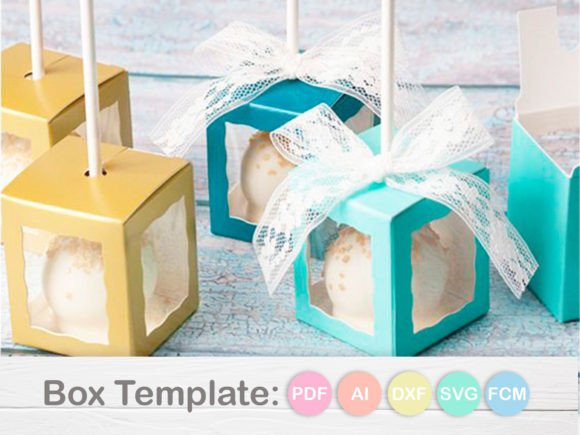
As a digital publisher and blog designer, I constantly evaluate how individual graphic design assets translate from a file folder to a live website. When I first opened the Square Box Template, my immediate focus was on its potential to elevate editorial design beyond flat, two-dimensional graphics. In an era where content saturation is high, introducing dimensional elements can significantly alter reader perception. This asset immediately struck me as having a clean, modern aesthetic that bridges the gap between playful creativity and structured professionalism. It does not feel overly juvenile or strictly industrial; rather, it possesses a versatile neutrality that supports lifestyle blogging, educational content, and small business branding without overpowering the accompanying text.
The editorial mood created by this template is one of organized creativity. For publishers managing content niches like DIY crafts, packaging reviews, gift guides, or organizational tips, this visual cue signals to the reader that the content is tactile and actionable. Unlike abstract background patterns, the Square Box Template serves as a concrete visual anchor. It suggests that the article contains something tangible—whether that is a physical project, a downloadable resource, or a structured guide. From a visual hierarchy perspective, the 3D form naturally draws the eye, making it an excellent candidate for hero images where you need to establish immediate engagement before the user scrolls.
Integrating Dimensional Assets into Publishing Workflows
In my daily workflow preparing featured images and Pinterest pins, I look for assets that reduce friction in the design process. The Square Box Template excels here because it provides a pre-structured focal point. When designing blog graphics for product roundups or affiliate marketing posts, placing this box in the center or rule-of-thirds position creates instant balance. It acts as a container for headlines or product photography, allowing for a cohesive look across multiple articles. For newsletter creators, this asset works beautifully as a header graphic to announce new digital products or seasonal promotions, adding a premium feel to email communications that often suffer from flat, repetitive layouts.
Beyond standard blog headers, this template is invaluable for creating lead magnets and content upgrades. If you are designing a digital guide, worksheet, or printable checklist, using the Square Box Template on the cover establishes a professional brand identity. It visually communicates that the download is a packaged, complete resource rather than a loose collection of text. For those utilizing Canva templates to streamline production, importing this asset allows for rapid customization while maintaining high editorial standards. I have found that using consistent 3D shapes across social media graphics and website banners strengthens category recognition, helping loyal readers instantly identify your content in crowded feeds.
Technical Versatility Across Digital and Physical Media
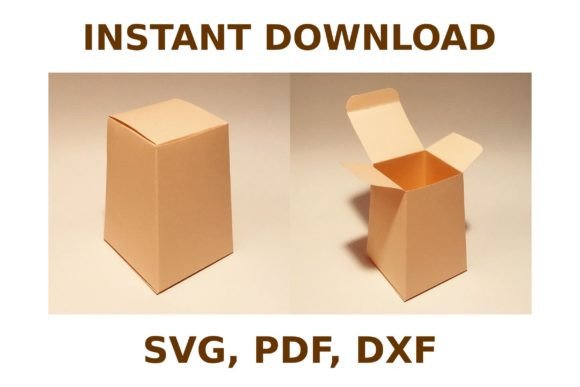
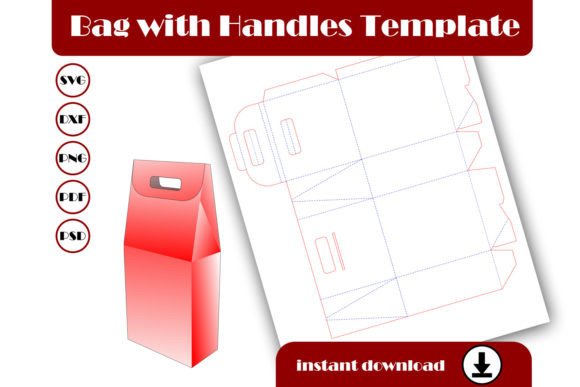
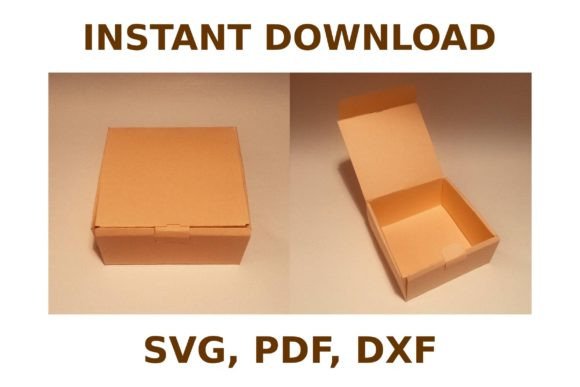
A major advantage of this specific asset is its technical composition. The ZIP archive contains SVG, DXF, and PDF files, ensuring compatibility across both digital publishing and physical crafting ecosystems. While many designers only care about the web application, the inclusion of DXF files means this template is compatible with Silhouette and Cricut machines. This dual utility is gold for creative entrepreneurs who sell physical products alongside digital content. You can use the exact same visual language for your website header and the actual packaging of the product you are reviewing or selling. This alignment between digital presentation and physical reality builds immense trust with your audience.
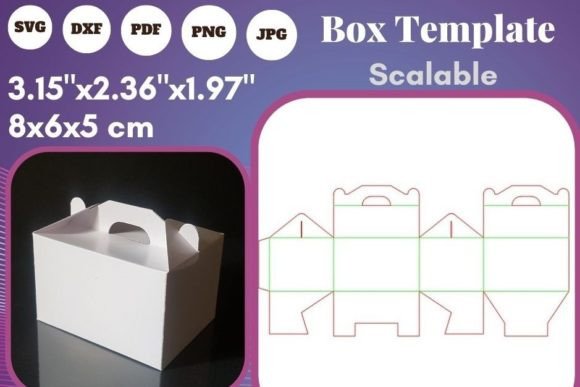
Furthermore, the fact that all templates have been tested for quality reduces the risk of jagged edges or broken vector paths when scaling for large format displays. Measurements depend on paper size for physical builds, but digitally, the vectors remain crisp at any resolution. This scalability is essential for responsive web design. Whether rendering on a retina display desktop monitor or a compact mobile screen, the lines remain sharp. For publishers focusing on commercial design, knowing that the underlying geometry is sound saves hours of troubleshooting and ensures that your creative marketplace listings or client deliverables maintain a polished, professional standard.
Strategic Placement for Maximum Click-Through Potential
To maximize performance, I recommend deploying the Square Box Template in high-visibility zones where click-through rates matter most. Hero images at the top of blog posts are the primary use case, but do not overlook category thumbnails and sidebar widgets. When used as a category icon, the 3D shape helps break up text-heavy navigation menus, improving user experience and site dwell time. For affiliate marketing content, using the box as a frame for product shots can increase perceived value, making the item appear more substantial and desirable. In content marketing funnels, this asset serves as a visual bridge, guiding the reader’s attention from the headline to the call-to-action button through implied depth and direction.
However, strategic restraint is necessary. I advise against using this asset in small mobile thumbnails where the 3D effect may collapse into visual noise. Similarly, avoid placing it on low-contrast backgrounds or within already busy layouts; the complexity of the shape requires negative space to breathe. Publishers in highly serious corporate niches, such as financial law or medical advice, should test this carefully, as the dimensional style may read too casually for their specific audience expectations. Always prioritize readability over decoration. If the box competes with your headline text rather than supporting it, scale it back or adjust the opacity to serve as a subtle texture rather than a dominant element.
Publisher Notes on Typography, Licensing, and Performance
Before pushing this asset to a live site, conduct thorough testing across devices. Preview the Square Box Template inside your actual blog layout, not just in isolation. Check how it interacts with your specific font stack. I have found it pairs exceptionally well with bold sans-serif fonts for a modern look, or elegant serif fonts for a sophisticated editorial vibe. Avoid overly ornate script fonts directly overlapping the box, as the intricate lines can clash with the vector geometry. Test contrast ratios rigorously; ensure that any text placed near or on the box meets accessibility standards. Try converting the image to black and white to verify that the 3D shading relies on luminance rather than just color hue, ensuring clarity for all users.
Finally, address the operational side of publishing. Review file sizes meticulously; even vector-based graphics can become heavy if exported incorrectly for the web. Compress images properly to maintain site speed, which is a critical ranking factor. Most importantly, confirm the commercial license details before using this asset on monetized websites, affiliate pages, or paid digital downloads. Understanding your usage rights protects your business and ensures ethical sourcing. By treating the Square Box Template as a strategic component of your design assets library rather than just a decorative afterthought, you enhance both the aesthetic quality and the commercial viability of your digital publishing efforts.