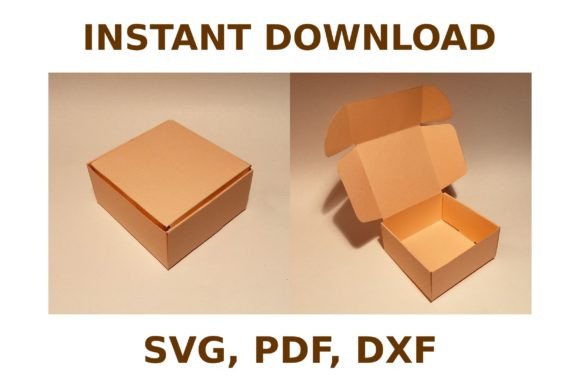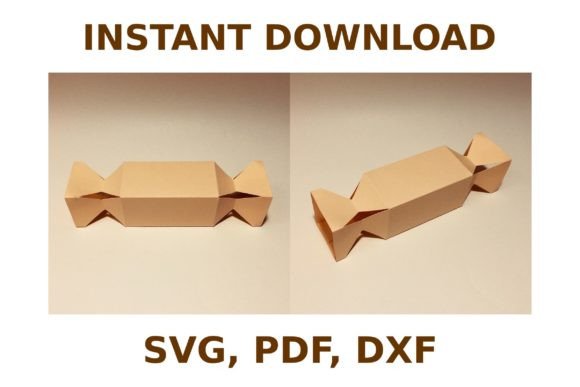
Cracker Box Template: A Designer’s Practical Review
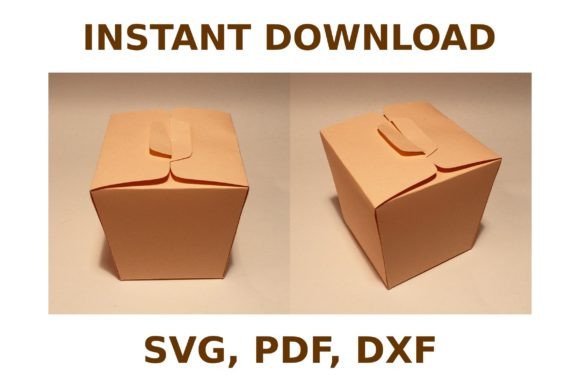
As a professional embroidery designer and product reviewer, I approach every new digital asset with a critical eye toward its real-world application. When evaluating the Cracker Box Template, my first thought isn't just about the aesthetic appeal of the shape itself, but how it translates from a digital file to a tangible, stitched reality. This 3D SVG falls under the Shapes category, yet it offers far more utility than a simple geometric outline. For makers, Etsy sellers, and apparel decorators, this template represents a structural foundation for creativity rather than a finished product in itself. The ZIP archive contains SVG, DXF, and PDF files compatible with Silhouette and Cricut, which immediately signals its versatility for mixed-media projects. However, because measurements depend on paper size and machine settings, this review focuses on how to adapt this template effectively for embroidery workflows, ensuring your final handmade product meets professional standards.
First Impressions and Structural Integrity
Upon opening the files, the Cracker Box Template presents clean lines and a nostalgic, utilitarian mood that resonates well with current market trends. In the context of embroidery, this shape evokes feelings of homemade warmth, vintage kitchenware, and artisanal quality. It is not merely a box; it is a vessel for storytelling. As a designer, I appreciate that all templates have been tested for quality, which reduces the risk of jagged edges or misaligned nodes when converting vector paths into stitch data. The visual personality of this cracker box shape suggests it belongs on items that celebrate domesticity and craftsmanship. It feels right at home as a backdrop for floral applique designs, retro typography, or seasonal motifs. Unlike complex illustrations that can become muddy when stitched, this template provides ample negative space, allowing thread colors and fabric texture to breathe. For a craft business owner, this simplicity is an asset, as it allows for rapid customization without overwhelming the base garment or accessory.
Real-World Application: The Custom Tea Towel Project
To truly evaluate this asset, I mentally placed the Cracker Box Template into a specific production scenario: creating a line of personalized holiday tea towels for a boutique client. In this case, the template serves as the central framing element for custom family names or monograms. Using the SVG or DXF file, I could cut the shape from cotton fabric using a cutting machine to create a precise applique piece, or use the PDF as a placement guide for digitizing a satin stitch border directly onto linen.
In this real-life application, the template’s performance is crucial. If I were stitching this onto a textured waffle-weave towel, the clean geometry of the cracker box would provide a necessary contrast to the nubby fabric. The shape acts as a stabilizer for the design composition, anchoring lighter decorative elements. For an Etsy seller, this specific use case highlights value; customers aren't just buying a towel, they are buying a structured, professional-looking heirloom. The familiarity of the cracker box shape triggers positive associations with baking and gathering, making it an ideal vehicle for holiday embroidery or wedding gifts. Furthermore, because the template is scalable, I could offer this design across multiple products, from small embroidered patches for aprons to larger tote bag designs, maintaining brand consistency while maximizing the utility of a single digital asset.
Navigating Fabric Variables and Stitch Density
While the Cracker Box Template is versatile, practical experience dictates caution when applying it to challenging substrates. The success of this shape relies heavily on managing stitch density and stabilizer choices. On stretchy fabrics like sweatshirt fleece or jersey knits, the rigid geometry of a box shape can distort if the stabilizer is insufficient. I strongly advise testing on scrap fabric first. If you are using this template as a guide for a fill stitch area, ensure your digitizing software accounts for fabric push-and-pull; otherwise, your perfect square may stitch out as a trapezoid.
Dark fabrics present another consideration. If you are using the template to create a light-colored applique on a navy sweatshirt, you must account for the shadow and edge definition. A running stitch tack-down might disappear against dark backgrounds, so a satin stitch border or a contrast thread outline becomes necessary to define the cracker box silhouette. Conversely, on thin or sheer fabrics, dense stitch areas following this template could cause puckering or tearing. In such cases, consider using the template only as a placement marker for lighter embroidery or reducing the stitch count significantly. Always check whether the design works for both personal and commercial projects before listing finished goods, and confirm licensing terms if you plan to sell the digital embroidery file derivatives.
Elevating Product Value Through Presentation
The way you utilize the Cracker Box Template directly impacts customer trust and perceived value. A sloppy execution of a simple shape looks worse than a complex design done poorly. Visual appeal in embroidery comes from clarity and intention. When this template is executed with proper tension and appropriate thread colors, it communicates professionalism. For small shop products, consistency is key. Using this standardized shape across a collection of baby embroidery items or kitchen linens creates a cohesive brand identity that buyers recognize.
Moreover, this template is invaluable for creating printable mockups and digital product previews. Before committing to stitching, use the SVG file to create accurate visual representations for your online listings. This helps manage buyer expectations regarding size and proportion. Since measurements depend on paper size and scaling, providing clear dimensions in your product description is essential. Show the cracker box shape next to a ruler or on a model to give scale context. This transparency builds engagement and reduces returns. For creative entrepreneurs selling design assets, demonstrating the template’s adaptability—showing it as both a cut file and an embroidery guide—increases its marketability. It proves that the asset has been vetted for actual production, not just theoretical design.
Essential Designer Notes for Success
Before integrating the Cracker Box Template into your next embroidery project, adhere to these practical guidelines to ensure professional results:
- Verify Compatibility: While compatible with Silhouette and Cricut for cutting, always test how the vectors import into your specific embroidery digitizing software to ensure node integrity.
- Test on Target Fabric: Never skip the test stitch-out. Fabric texture dramatically affects how geometric shapes render. What looks crisp on screen may need density adjustments on terry cloth or canvas.
- Check Thread Contrast: Evaluate your thread colors against both light and dark fabric backgrounds. The cracker box shape relies on distinct edges; low contrast can make the design look unfinished.
- Confirm Hoop Size: Ensure your chosen dimensions fit comfortably within your hoop size with adequate margin for stabilization. Overstretching fabric to fit a large box shape leads to distortion.
- Review Licensing: Clarify whether you can sell finished products featuring this template or if it is restricted to personal use. This is vital for commercial embroidery businesses.
- Mockup Accuracy: Use the included PDF or SVG to create realistic mockups. Accurate representation prevents customer disappointment regarding the scale of the finished product.
- Stabilizer Selection: Match your stabilizer weight to the fabric and the stitch density of your interpretation of the template. Cutaway stabilizers are generally safer for maintaining the box's shape on apparel.
The Cracker Box Template is more than a basic shape; it is a reliable building block for makers who value structure and nostalgia. By approaching it with technical mindfulness and creative intent, you can transform this digital asset into high-quality, sellable goods that resonate with customers seeking authentic, handmade charm. Whether used for a custom apparel line or a singular personalized gift, its success lies in the thoughtful execution of its simple, enduring form.