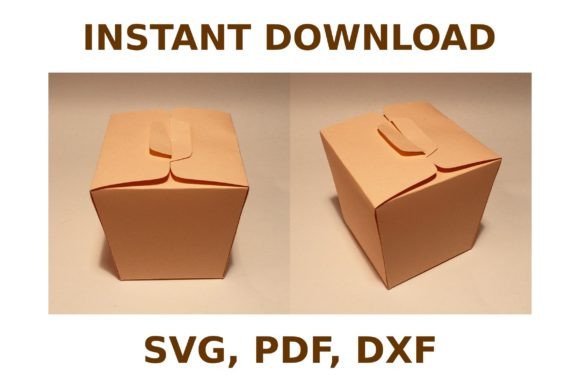
Noodle Box Template: A Designer’s Practical Review
As a designer who bridges the gap between digital cutting files and needle-and-thread execution, I approach every new asset with a specific question: will this actually translate into a high-quality finished product? When I first opened the Noodle Box Template, I wasn't just looking at a cute shape; I was evaluating its structural integrity for mixed-media projects. This ZIP archive contains SVG, DXF, and PDF files compatible with Silhouette and Cricut, but for those of us in the embroidery and apparel decoration space, its true value lies in how it serves as a precision guide for custom branding and personalized gifts.
First Impressions: Structure Meets Whimsy
The visual personality of this template strikes a balance between nostalgic takeout aesthetics and modern boutique packaging. It doesn’t feel like a generic clip-art outline; the lines are deliberate and clean, suggesting it was tested for quality before release. For an embroidery designer, this is crucial. We aren't just stitching onto flat fabric; we are often creating 3D elements or precise appliqué guides. The mood here is playful yet professional, making it immediately suitable for small shop products, food-themed merchandise, or quirky holiday embroidery projects.
What stands out most is the versatility of the Shapes category within this design. Because measurements depend on paper size during the cutting phase, you have total control over scaling. This flexibility allows me to envision this not just as a standalone box, but as a scalable component for various hoop sizes. Whether I am planning a tiny embroidered patch for a denim jacket or a large tote bag design for a restaurant client, the vector integrity remains intact. It feels less like a rigid craft file and more like a adaptable commercial embroidery asset.
Real-World Application: The Custom Tote Bag Test
To truly evaluate this template, I mentally walked through a recent client request: a set of branded canvas tote bags for a local ramen pop-up event. They needed something that felt handmade but maintained brand consistency. Here is how the Noodle Box Template performed in that scenario.
I used the SVG file to cut heat-transfer vinyl (HTV) pieces that acted as a perfect registration guide for my machine embroidery design. Instead of guessing where to place satin stitch borders or fill stitch details, the cut template provided a physical boundary on the fabric texture. This hybrid approach—using the digital cutter to enhance the embroidery workflow—is where this product shines for Etsy sellers and creative entrepreneurs. The result was a crisp, aligned graphic that looked professionally manufactured rather than hastily stitched.
For makers focusing on baby embroidery or nursery decor, this template offers a safer route for soft goods. You can use the PDF or DXF files to create printable mockups for client approval before committing expensive thread colors and stabilizer to the final piece. In my experience, showing a customer a realistic preview using this exact shape builds trust and reduces revision rounds. It transforms a vague idea into a tangible personalized gift proposal.
Technical Considerations for Mixed Media Success
While the Noodle Box Template is tested for quality in cutting applications, integrating it into embroidery workflows requires specific technical awareness. As a reviewer, I must emphasize that this is a template, not a pre-digitized embroidery file. You cannot load an SVG directly into your embroidery machine and expect stitches. However, as a design asset for positioning, tracing, or creating appliqué shapes, it is invaluable.
When using this for sweatshirt embroidery or custom apparel, pay close attention to fabric stretch. If you are using the template to cut fusible web for an applique design, ensure your stabilizer choice matches the weight of the garment. A heavy canvas tote can handle dense fill stitches guided by this template, but a lightweight baby onesie requires a lighter touch. I recommend using the template to define the outer boundary with a running stitch or placement line, then digitizing your internal details separately to avoid puckering.
Thread color contrast is another critical factor. The clean lines of this noodle box shape demand precision. If you are working on dark fabric, test your thread colors against a white background first using the provided PDF as a reference. Dark fabrics can sometimes swallow fine details, so you may need to adjust your stitch density or add a white underlay beneath colored sections to make the design pop. Always verify that your chosen hoop size accommodates the scaled version of the template you intend to use; resizing after hooping can distort the geometry that makes this design so appealing.
Where to Exercise Caution
No design tool is without limitations, and practical judgment means knowing when to pivot. I would advise against using this template for highly textured fabrics like terry cloth or thick fleece without significant modification. The precise geometric nature of the noodle box relies on sharp corners and straight lines, which can get lost in high-pile textures. Similarly, if you are attempting tiny lettering inside the box shape, ensure the scale is sufficient. While the template scales infinitely as a vector, your embroidery machine has minimum legibility limits for text.
For curved surfaces like caps, this template presents a challenge. The flat geometry of a standard noodle box does not naturally wrap around a visor or crown. If you are a cap decorator, you will need to warp or segment the design digitally before using it as a guide. Do not assume the standard file will sit flat on a curved surface without distortion. Additionally, for items requiring frequent industrial washing, such as chef aprons or restaurant uniforms, ensure any vinyl or appliqué elements guided by this template are secured with adequate perimeter stitching. Visual appeal matters, but durability secures repeat business.
Elevating Product Value and Brand Consistency
Ultimately, the Noodle Box Template is a catalyst for professionalism. For digital product sellers and handmade shop owners, consistency is currency. Using a standardized, high-quality template ensures that your tenth product looks as refined as your first. It eliminates the wobbly lines and uneven spacing that often plague freehand embroidery placement.
This level of precision directly impacts buyer engagement. When customers browse Etsy listings or craft fair displays, they subconsciously assess quality through alignment and finish. A noodle box that is perfectly symmetrical and cleanly executed signals that the maker cares about details. It elevates a simple embroidered patch or tea towel from a hobby project to a boutique-worthy item. Furthermore, having the PDF option allows you to create cohesive marketing materials, tags, and packaging inserts that match your embroidered goods, reinforcing your brand identity across all touchpoints.
Designer Notes for Best Results
Before you commit this template to a commercial embroidery project or a cherished personal gift, keep these practical tips in mind:
- Test First: Always run a test on scrap fabric similar to your final project. Check how the template interacts with your specific stabilizer and thread tension.
- Verify Licensing: Confirm whether your purchase includes rights for selling finished physical products or if it is limited to personal use. This is vital for Etsy sellers and small business owners.
- Mockup Strategy: Use the black and white PDF version to test placement on both light and dark backgrounds before threading your machine. This saves time and materials.
- Scale Responsibly: Remember that measurements depend on paper size settings in your cutting software. Double-check dimensions before cutting or digitizing to avoid sizing mismatches.
- Integration Check: If combining with existing embroidery files, ensure the template aligns with your machine’s coordinate system. Use alignment marks if necessary.
The Noodle Box Template is more than just a shape; it is a foundational tool for makers who value precision and creativity in equal measure. By understanding its strengths and respecting its technical boundaries, you can transform this digital asset into stunning, sellable, and stitch-perfect reality.