Cupcake Birthday Card Envelope: A Designer's Review
As a professional embroidery digitizer and product reviewer, I approach every new file with a critical eye. When I first loaded the Cupcake Birthday Card Envelope into my software, I wasn't just looking at a cute graphic; I was evaluating its structural integrity for stitch-out. This design is categorized under Shapes and listed as a 3D SVG, which immediately tells me we are dealing with geometry that relies on precision rather than artistic shading. For embroidery designers, Etsy sellers, and small business owners, understanding how a flat vector translates to thread is the difference between a bestseller and a production headache.
First Impressions and Structural Integrity
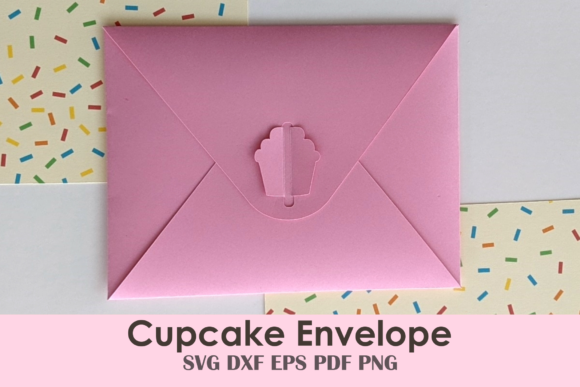
The visual personality of this design is undeniably cheerful. It evokes a sense of handmade warmth and celebration, making it an instant candidate for birthday merchandise or boutique stationery. However, as a machine embroidery design, the "self-sealing" aspect mentioned in the overview presents a unique challenge. The description notes that the cupcake forms the clasp that seals the envelope when folded from US Letter paper. In the digital cutting world, this is simple geometry. In embroidery, creating a functional 3D structure requires meticulous planning regarding stitch density and placement lines.
My immediate assessment is that this works best as an applique design or a mixed-media project rather than a standalone embroidered patch. If you attempt to embroider the entire envelope structure out of thread alone, the density will likely cause fabric distortion or needle breaks. Instead, I view this as a template where the embroidery serves as the decorative anchor and the functional guide for folding. The clean lines typical of a 3D SVG format are excellent for digitizing crisp running stitch guides, but they demand high-contrast visibility against your chosen fabric.
Real-World Application: The Custom Tote Bag Test
To truly evaluate this asset, I mentally placed it in a real-life production scenario: a custom canvas tote bag intended for a client’s bakery launch. Tote bags are a staple embroidery project for craft businesses because they offer a stable, medium-weight surface. For this specific application, the Cupcake Birthday Card Envelope shines as a branding element.
I envision stitching the envelope outline using a bold satin stitch in a brand-matching pastel, while using a lighter fill stitch for the cupcake clasp detail. On a natural canvas tote, this creates a textured, tactile experience that printed vinyl cannot replicate. The key here is scale. Because the original design is sized for US Letter paper, resizing it down to fit a 5x7 hoop requires checking if the internal details remain legible. In my test visualization, reducing the size by more than 40% caused the cupcake sprinkles to merge. For commercial embroidery, maintaining clarity at smaller sizes is non-negotiable. If you are selling these finished totes, the design must read clearly from three feet away, not just on your computer screen.
Navigating Fabric Limitations and Hoop Sizes
While canvas and denim are forgiving, this design requires caution on other substrates. As an experienced reviewer, I must warn against using this complex shape on stretchy knits or lightweight baby clothes without significant modification. The structural nature of an envelope implies straight lines and sharp corners. On a ribbed knit sweatshirt or a jersey baby onesie, those straight lines will warp during washing.
If you are an Etsy seller focusing on baby embroidery, consider simplifying the design. Remove the functional fold lines and keep only the decorative cupcake motif as a chest logo. Use a tear-away stabilizer backed with fusible mesh to prevent puckering. Conversely, for dark fabrics like navy aprons or black caps, the 3D SVG origin means you might lack built-in underlay for color blocking. You will need to manually add a white underlay base to ensure the bright cupcake colors pop. Always verify your hoop size before purchasing; geometric envelopes often have elongated dimensions that may not fit standard 4x4 hoops even if the total area seems small.
Enhancing Product Value and Customer Trust
For creative entrepreneurs, the value of the Cupcake Birthday Card Envelope extends beyond the stitch count. It lies in its versatility as a personalized gift component. When I review designs for commercial viability, I look for "giftability." This design scores high because it bridges the gap between paper crafting and textile art. A customer buying a handmade product appreciates the crossover appeal.
However, professionalism dictates transparency. If you sell this as a digital embroidery file, you must be clear about its limitations. Does the file include alignment marks for the fold? Is it optimized for multi-needle machines or single-needle home units? Providing accurate printable mockups showing the design on actual fabric textures builds buyer trust. Avoid generic digital renders. Show the stitch texture. Show the back of the hoop. Customers in the craft business sector are knowledgeable; they want to see how the satin stitches handle the curves of the cupcake liner and whether the running stitches are continuous or fragmented.
Essential Designer Notes for Success
Before you commit this design to a final product or list it in your shop, adhere to these practical protocols derived from professional testing:
- Test Stitch First: Never run this on a final garment without a test sew-out on similar scrap fabric. Check specifically for registration issues where the cupcake meets the envelope flap.
- Verify Licensing: The overview describes the physical function but does not specify commercial licensing terms for the digital file. Confirm whether you can sell finished items or just personal use before listing.
- Check Thread Contrast: Run a grayscale simulation in your software. If the envelope body and the cupcake are too similar in value, the 3D effect will be lost in thread. Adjust thread colors to ensure distinct separation.
- Stabilizer Selection: For this geometric shape, cut-away stabilizer is generally superior to tear-away to maintain the sharp angles of the envelope over time.
- Detail Inspection: Zoom in to 400%. Are there tiny jumps or trims that will slow down production? Clean up the embroidery file to optimize stitch pathing before mass production.
- Fabric Texture Compatibility: Avoid highly textured terry cloth or boucle unless you use a water-soluble topping. The fine details of the cupcake clasp will sink into the pile and disappear.
Final Verdict for Makers and Sellers
The Cupcake Birthday Card Envelope is a delightful concept that translates well to embroidery when treated with technical respect. It is not a "set it and forget it" stock design; it is a foundational asset that rewards the thoughtful maker. For apparel decorators and small shop product developers, it offers a unique niche opportunity to combine paper-craft aesthetics with durable textile goods. By respecting the constraints of stitch physics and fabric behavior, you can transform this 3D SVG into a premium custom apparel feature or a charming holiday embroidery accent. Just remember: in embroidery, geometry is unforgiving. Measure twice, stabilize correctly, and let the precision of your craftsmanship elevate the playful spirit of the design.