Pop-up Card - Flowers: A Designer’s Embroidery Review
As a professional embroidery designer and product reviewer, I approach every new digital asset with a critical eye. When evaluating the Pop-up Card - Flowers template, my first thought isn't just about how pretty the vector lines are on a screen; it is about how those lines will translate into thread on fabric. This design, originally categorized under Greeting Cards and provided as a 3D SVG, presents a unique opportunity for mixed-media creators. However, adapting a paper craft template into a successful machine embroidery design requires understanding structure, density, and fabric behavior. After reviewing the included SVG, PDF, and PNG files, here is my practical assessment for makers, Etsy sellers, and apparel decorators looking to integrate this floral motif into their commercial or personal projects.
Translating Paper Craft Logic to Thread
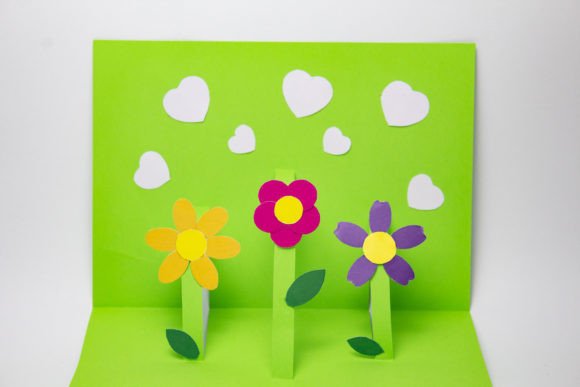
The immediate visual appeal of Pop-up Card - Flowers lies in its dimensional intent. As a 3D SVG, the artwork is designed with layers and depth in mind. For an embroidery digitizer or crafter, this is gold. Unlike flat clip art, this template already understands separation. When I look at this design, I don't just see a flower; I see a potential applique design or a multi-layered stitch project. The distinct sections that would normally be cut and folded for a paper card can be reimagined as separate fabric layers held together by satin stitches or decorative running stitches.
For small business owners and creative entrepreneurs, this structural clarity reduces digitizing guesswork. You aren't trying to force depth into a flat image; you are enhancing existing depth. The mood is delicate yet structured, making it ideal for products that need to feel premium and handmade rather than mass-produced. It avoids the generic "stamped-on" look that often plagues floral embroidery, offering instead a sense of architectural beauty that appeals to buyers looking for sophisticated nursery decor, wedding gifts, or boutique branding.
Real-World Application: The Custom Tote Bag Test
To truly evaluate this asset, I mentally placed it into a real-life production scenario: creating a line of custom embroidered tote bags for a spring craft fair. Tote bags are a staple handmade product, but they demand designs that hold up against canvas texture and daily wear.
In this scenario, Pop-up Card - Flowers performs exceptionally well because of its bold, layered nature. If I were stitching this onto a natural cotton canvas, I would utilize the SVG’s separate elements to create a textured applique. The base layer could be a solid linen, with the floral pop-up elements stitched on top using contrasting thread colors. Because the original file includes detailed instructions for paper assembly, those same logical steps guide the embroidery hooping order. You build from the bottom up.
Customers at a craft fair engage with texture. They want to touch the raised elements of a 3D-style stitch out. This design facilitates that tactile engagement. Furthermore, the included PNG files serve as excellent assets for creating a printable mockup for your Etsy listing before you even thread a needle. You can show potential buyers what the finished tote bag will look like, increasing buyer confidence and reducing the risk associated with pre-orders. For a craft business, this dual utility—physical template and digital preview asset—is invaluable for streamlining workflow.
Navigating Fabric Limitations and Hoop Constraints
While the design is versatile, it is not universally forgiving. As with any intricate floral motif, you must consider where Pop-up Card - Flowers should be used with caution. The complexity that makes it beautiful on paper can become a liability on unstable fabrics.
- Stretchy Fabrics: Avoid using this design on thin knits or high-stretch jersey without significant modification. The multiple layers implied by the pop-up structure add weight. On a lightweight t-shirt, this could cause sagging or distortion. Reserve this for stable substrates like denim, canvas, twill, or quilted cotton.
- Small Hoop Sizes: Detail gets lost when scaling down. If you are working with a 4x4 hoop size, verify that the smallest petal details remain distinct. You may need to simplify the inner elements of the SVG to prevent thread buildup or registration issues.
- Curved Surfaces: Be wary of placing this on caps or curved sleeves. The geometric precision required for a "pop-up" aesthetic fights against cylindrical curves. Flat surfaces like pillow covers, aprons, and tea towels are safer bets for maintaining the design's intended integrity.
- Dark Fabrics: While the design works on dark backgrounds, ensure your stabilizer choice prevents show-through. Light-colored fill stitches on black fabric require adequate backing to maintain opacity and vibrancy.
Enhancing Product Value and Professionalism
Using a structured template like Pop-up Card - Flowers signals professionalism. In the saturated market of digital embroidery files and finished goods, consistency builds trust. When a customer sees that your floral motifs have deliberate layering and clean edges, they perceive higher value. This is particularly true for personalized gifts and holiday embroidery, where the recipient expects a level of care that exceeds standard retail items.
For Etsy sellers and digital product sellers, the inclusion of PDF instructions adds tangible worth to the download. Even if your end customer is buying a physical sweatshirt, knowing that the design originated from a comprehensive template with assembly logic reassures them of the maker's expertise. It transforms a simple decoration into a curated design element. This attention to detail improves brand recognition; your work becomes identifiable by its structural quality rather than just its color palette.
Essential Notes for the Embroidery Designer
Before you load this file into your machine or list it in your shop, adhere to these practical guidelines to ensure success:
- Test Stitch is Mandatory: Never run this design on a final product first. The interaction between the SVG’s complexity and your specific machine’s tension needs verification. Use scrap fabric that matches your final project’s weight and weave.
- Verify Licensing: The product description confirms you receive SVG, PDF, and PNG formats with instructions. However, always double-check the specific license terms regarding commercial use. Confirm whether you can sell finished embroidered products, digital embroidery files derived from this SVG, or both. Protecting your business starts with respecting intellectual property.
- Stabilizer Strategy: Given the potential for layered applique or dense fill areas, use a cut-away stabilizer for stretchy items and a tear-away for stable woven fabrics. Consider a water-soluble topping if stitching on textured fabrics like terry cloth to keep the floral details crisp.
- Thread Color Planning: Test your colorway in a black-and-white mockup first. This reveals whether the design relies too heavily on color contrast rather than stitch definition. A good embroidery design should read clearly even in monochrome.
- Check File Compatibility: While SVG is universal for cutting machines and some software, ensure your embroidery software can import vectors cleanly or that you have a digitized version ready. Do not assume stitch counts or hoop sizes; measure the artwork yourself within your software to confirm it fits your equipment.
Pop-up Card - Flowers is more than a greeting card template; it is a blueprint for dimensional textile art. By respecting its structural origins and adapting it thoughtfully for fabric, makers can elevate their custom apparel, patches, and home decor from simple crafts to professional-grade merchandise. Whether you are decorating a baby blanket or building a cohesive shop collection, this design offers the versatility and charm necessary to captivate modern audiences. Just remember: in embroidery, as in paper crafting, patience in preparation yields the most beautiful results.