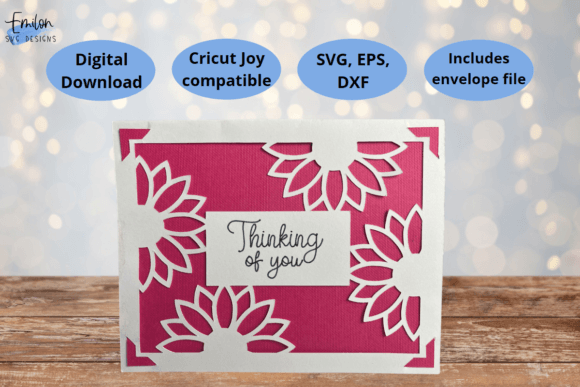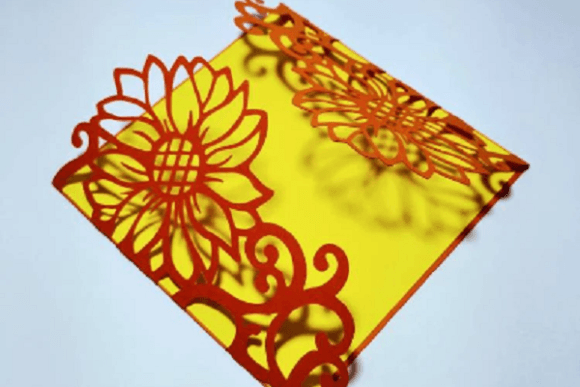
Sunflower Card: A Designer’s Stitch-Out Review
As a professional embroidery designer and product reviewer, I approach every new machine embroidery design with a critical eye. It is not enough for a graphic to look beautiful on a screen; it must translate into thread, texture, and tangible value. When evaluating the Sunflower Card by Exodus31Designs, my primary focus was versatility and structural integrity. This design markets itself as an elegant solution for Mother’s Day, birthdays, anniversaries, and graduations, but how does it actually perform when hooped and stitched? After reviewing the file architecture and considering real-world applications, I see this as a high-potential asset for makers who need reliable, multi-purpose inventory.
First Impressions: Elegance Meets Structural Simplicity
The initial appeal of the Sunflower Card lies in its balanced composition. In the world of digital embroidery files, "elegant" can sometimes be code for "overly dense" or "fragile," but this design avoids those pitfalls. The layout suggests a clean aesthetic that respects the fabric rather than overwhelming it. As a 3D SVG type product adapted for embroidery, the visual hierarchy is clear. The sunflower motif serves as a strong focal point without requiring excessive color changes or complex registration marks that could frustrate hobbyists or slow down commercial production.
For an Etsy seller or small shop owner, this simplicity is a strategic advantage. The design feels organic yet polished, striking a mood that is celebratory without being juvenile. It bridges the gap between a casual birthday greeting and a formal anniversary acknowledgment. Visually, it promises a stitch-out that will have good definition, likely utilizing a mix of fill stitch for the petals and precise satin stitch or running stitch for outlines and details. This balance is crucial for maintaining clarity across different fabric textures.
Real-World Application: The Custom Tote Bag Test
To truly judge the viability of the Sunflower Card, I mentally placed it into a specific production scenario: creating a line of premium canvas tote bags for a spring craft fair. Tote bags are a staple handmade product, but they present unique challenges due to the coarse weave of canvas and the need for durability.
In this context, the Sunflower Card shines because of its adaptable scale. For a tote bag design, you need artwork that reads well from a distance but still offers intricate charm up close. I envision stitching this design in warm golds and deep browns against a natural unbleached canvas. The design’s structure suggests it would anchor beautifully in the center of the bag or as a repeating pattern near the bottom hem. Because the decoration is described as simple yet elegant, it leaves ample negative space for personalization. Adding a monogram or a specific date below the sunflower transforms the item from generic merchandise into a personalized gift with higher perceived value.
Furthermore, this project highlights the importance of stitch density. On canvas, a design that is too dense can cause puckering or needle deflection. The Sunflower Card appears optimized to avoid these issues, making it a safe choice for commercial embroidery runs where consistency is key. If I were selling these finished products, the design’s professional finish would directly correlate to customer trust and positive reviews.
Navigating Fabric Limitations and Hoop Constraints
While the Sunflower Card is versatile, no embroidery file is universally perfect. Experienced makers know that success depends on matching the design to the substrate. There are specific scenarios where I would advise caution or additional testing.
- Stretchy Knits and Performance Wear: If applying this to a lightweight t-shirt or moisture-wicking athletic wear, the stabilizer choice is non-negotiable. The floral elements may have enough density to distort thin knits if not properly supported. Always use a cut-away stabilizer and consider a topping to prevent stitches from sinking into the fabric pile.
- Textured Fabrics like Terry Cloth: For kitchen towels or blankets, the fine details of the sunflower could get lost in the loops. In these cases, I recommend testing a knock-down stitch layer first or slightly increasing the column width of the outline stitches to ensure the design pops against the texture.
- Small Hoop Sizes: While the design is scalable, reducing it significantly for baby clothes or cuffs requires scrutiny. Check the smallest lettering or intricate petal tips. If the hoop size forces a reduction below 60%, verify that the satin stitches do not become too narrow to hold, which could lead to fraying after washing.
- Dark Fabrics: The elegance of this card relies on contrast. On black or navy fabric, ensure your thread colors provide sufficient luminosity. A dark brown center on a black shirt will disappear; opt for lighter metallics or variegated threads to maintain visual impact.
Professional Notes for Makers and Sellers
Before listing the Sunflower Card as part of your craft business inventory or stitching it for a client, adhere to these professional best practices to ensure quality and compliance.
- Verify Licensing Terms: Exodus31Designs has created a beautiful asset, but you must confirm the specific license included with your purchase. Determine if you are cleared for selling finished physical products, digital modifications, or both. Never assume commercial rights extend to all use cases.
- Conduct a Physical Test Stitch: Digital previews and printable mockups are excellent for marketing, but they cannot replicate thread tension. Always stitch out the design on scrap fabric that matches your final project weight. Inspect the registration, especially where the flower petals meet the center.
- Audit Thread Contrast: View your test stitch in both natural daylight and indoor lighting. Colors shift dramatically between environments. What looks vibrant on screen might appear muddy in person. Adjust your thread colors based on physical samples, not monitor calibration.
- Check Stabilizer Compatibility: Document which stabilizer works best for each fabric type you intend to use. Creating a reference sheet for your team ensures that the hundredth sweatshirt embroidery looks as crisp as the first.
- Evaluate Washability: If creating items like aprons or baby bibs that require frequent laundering, test the design’s durability. Ensure the applique design edges (if applicable) are secure and that fill stitches do not pull away from the base fabric after a wash cycle.
Elevating Product Value Through Design Choice
Ultimately, the Sunflower Card is more than just a pretty flower; it is a functional tool for creative entrepreneurs. Its strength lies in its ability to serve multiple niches—from holiday embroidery to everyday boutique branding—without losing its identity. For apparel decorators, it offers a timeless motif that transcends fleeting trends. For digital product sellers, its clean lines make it easy to showcase in listings and social media content.
When used correctly, this design enhances the professionalism of your output. It signals to buyers that you care about aesthetic balance and technical execution. Whether you are preparing a custom order for a graduation gift or stocking your Etsy shop with ready-to-ship totes, the Sunflower Card provides a reliable foundation. Just remember that the difference between a good project and a great one often lies in the preparation. Respect the file, understand your materials, and let the elegance of the design speak through the quality of your craftsmanship.