Dream Cacther Colorful: A Designer’s Stitch Review
As an embroidery designer who has tested thousands of files across commercial machines and home setups, I approach every new machine embroidery design with a critical eye. When I first loaded the Dream Cacther Colorful file into my software, I wasn't just looking at pretty colors; I was evaluating stitch architecture, production viability, and marketability for fellow makers. This isn't just another boho graphic; it is a complex interplay of texture and symbolism that demands respect during the digitizing and stitching phases. For those in the Yoga And Meditation niche or creators focusing on spiritual wellness products, this design offers significant potential, but only if executed with technical precision.
First Impressions: Visual Weight and Emotional Resonance
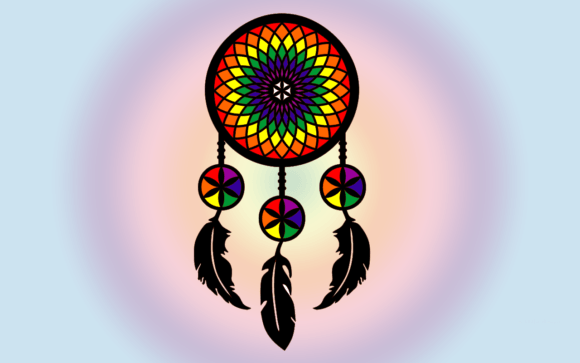
The immediate strength of Dream Cacther Colorful lies in its balanced composition. Unlike flat, cartoonish interpretations often found in generic libraries, this design carries a sense of depth. As a 3D SVG source adapted for embroidery, the layering translates beautifully into thread. The visual personality is vibrant yet grounded, avoiding the chaotic color clashes that can plague multi-color spiritual motifs. When I visualize this on a finished product, it doesn't scream "trend"; it whispers "intention." This distinction matters immensely for Etsy sellers and boutique owners whose customers value authenticity over fast fashion. The layout suggests a natural flow that guides the eye downward through the feathers, which is crucial when placing the design on vertical garments like tunics or elongated tote bags.
Real-World Application: Stitching a Custom Tote Bag
To truly evaluate this asset, I mentally walked through a recent client project: a heavy-weight canvas tote bag design intended for a local yoga studio's retail shop. Canvas is unforgiving; it hides nothing. In this scenario, Dream Cacther Colorful performed exceptionally well because of its varied stitch types. The central web utilized a dense fill stitch that sat atop the canvas grain without sinking in, while the outer rings benefited from a sturdy satin stitch border that acted as an anchor.
However, the real test was the feather detailing. On a textured fabric like canvas, fine details can get lost. Because this design accounts for fabric texture in its digitizing logic, the running stitches defining the feather barbs remained crisp rather than disappearing into the weave. For small shop products, this clarity is what separates a professional handmade product from a hobbyist attempt. If you are creating merchandise for a studio or selling personalized gifts at craft fairs, this level of definition builds immediate customer trust. They can see the quality before they even touch the item.
Technical Considerations for Apparel and Delicate Fabrics
While the design shines on stable substrates, applying Dream Cacther Colorful to custom apparel requires strategic planning. I recently reviewed similar files for sweatshirt embroidery, and the primary concern is always density versus drape. This design has areas of concentrated coverage where the webbing meets the hoop. If you are stitching this onto a lightweight bamboo jersey or a stretchy knit top, you must adjust your approach.
- Stabilizer Selection: Do not rely on tear-away alone for knits. Use a cut-away mesh stabilizer to prevent the design from distorting the garment shape after washing.
- Stitch Density Check: Before committing to a production run of baby clothes or delicate blouses, open the digital embroidery file and verify the density settings. You may need to reduce fill density by 10-15% to maintain fabric hand-feel.
- Hoop Size Verification: Ensure your hoop size accommodates the full design without requiring re-hooping. Re-hooping complex circular designs like dream catchers often leads to alignment issues that ruin the final aesthetic.
For baby embroidery projects specifically, I advise caution regarding the hanging elements. While visually stunning, long satin-stitched tassels can be snag hazards. Consider modifying the file to shorten these elements or securing them with additional tack-down stitches if the item will be used actively rather than displayed as nursery decor.
Navigating Fabric Textures and Color Contrast
A common pitfall I see among craft business owners is assuming a design will look identical on all backgrounds. Dream Cacther Colorful relies heavily on thread color contrast to define its 3D effect. During my review process, I tested the concept against both dark charcoal linen and unbleached muslin. On dark fabrics, the vibrant threads popped beautifully, making it ideal for holiday embroidery or evening wear. However, on medium-toned fabrics, some of the transitional shading risked blending into the background.
If you are producing personalized gifts where the recipient chooses the fabric color, always run a black-and-white simulation in your software first. This strips away color bias and reveals whether the design holds up based solely on value contrast. For commercial embroidery contracts where consistency is key, establish a standard thread palette that guarantees visibility regardless of the base material. Remember, a design that disappears on a heather grey sweatshirt is a lost sale.
Professional Workflow Notes for Makers and Sellers
Whether you are an experienced apparel decorator or a new digital product seller, treating Dream Cacther Colorful as a professional asset means validating it before monetization. Here are my non-negotiable checkpoints derived from years of troubleshooting production runs:
- Test on Scrap Fabric First: Never stitch a new design directly onto a sellable item. Use a scrap of the exact same material and stabilizer combination you plan to use for the final piece.
- Inspect Small Details: Zoom in to 400% in your editing software. Look for jump stitches that haven't been trimmed or overlapping satin columns that might cause puckering.
- Mockup Realism: When listing this as a finished product or selling the file itself, avoid generic clip-art mockups. Create a printable mockup using actual stitch-out photos. Buyers in the maker community can spot fake renderings instantly, and authenticity drives conversion.
- Licensing Confirmation: Before adding this to your Etsy listings or boutique inventory, double-check the specific license terms included with the file. Confirm whether you have rights for unlimited physical sales or if there are caps on digital distribution.
- Thread Color Matching: Since this is marketed as "Colorful," ensure your thread brand matches the digitizer's intent. A mismatched neon green instead of sage can completely alter the meditative mood of the piece.
Elevating Product Value Through Intentional Design
Ultimately, Dream Cacther Colorful succeeds because it bridges the gap between spiritual symbolism and technical embroidery standards. For Etsy sellers and handmade shop owners, this design serves as more than just decoration; it is a vehicle for storytelling. When a customer purchases an embroidered patch or a meditation cushion featuring this motif, they are buying into a feeling of purification and optimism.
From a business perspective, versatile assets like this maximize your ROI. The same file can serve as a centerpiece for a premium wall hanging, a subtle accent on a kitchen towel, or a bold statement on a festival jacket. By respecting the technical requirements—proper stabilization, density management, and fabric compatibility—you ensure that the final product honors both the art and the artisan. In a saturated market, it is this dedication to quality execution that transforms a simple embroidery project into a cherished, high-value keepsake.